Have you ever looked at a design that seemed off, even though everything appeared perfectly aligned and balanced? Chances are the issue wasn’t the layout, the typography, or the imagery. It was the color combination.

Color is one of the most powerful yet underestimated tools in design. It has the ability to influence mood, perception, and emotion without a single word being said. The right color combination can make a message stand out and come alive. The wrong one, however, can make even the most stunning concept fade into the background.

Color as a language

We often say that color speaks before words do. Every hue tells a story and evokes an emotion. Red can be danger or passion. Blue radiates trust or professionalism. Green often feels natural and fresh. Black might communicate sophistication, but also mystery.

Designers use this color language to guide the viewer’s emotional response. When chosen with intent, colors can reinforce a brand’s message, highlight hierarchy, and create the right atmosphere for a product or campaign. But when used carelessly, they can do the exact opposite: confuse or even alienate the audience.

When color works against you

You might have seen it yourself once: an awesome design that simply doesn’t read well and is unpleasing to the eyes. The issue here might have been that there was no contrast in the design, or the color pairing made the text very hard to read. Well balanced color design is definitely necessary in outdoor advertising or large-format print where distance, lighting, and environment all affect visibility.

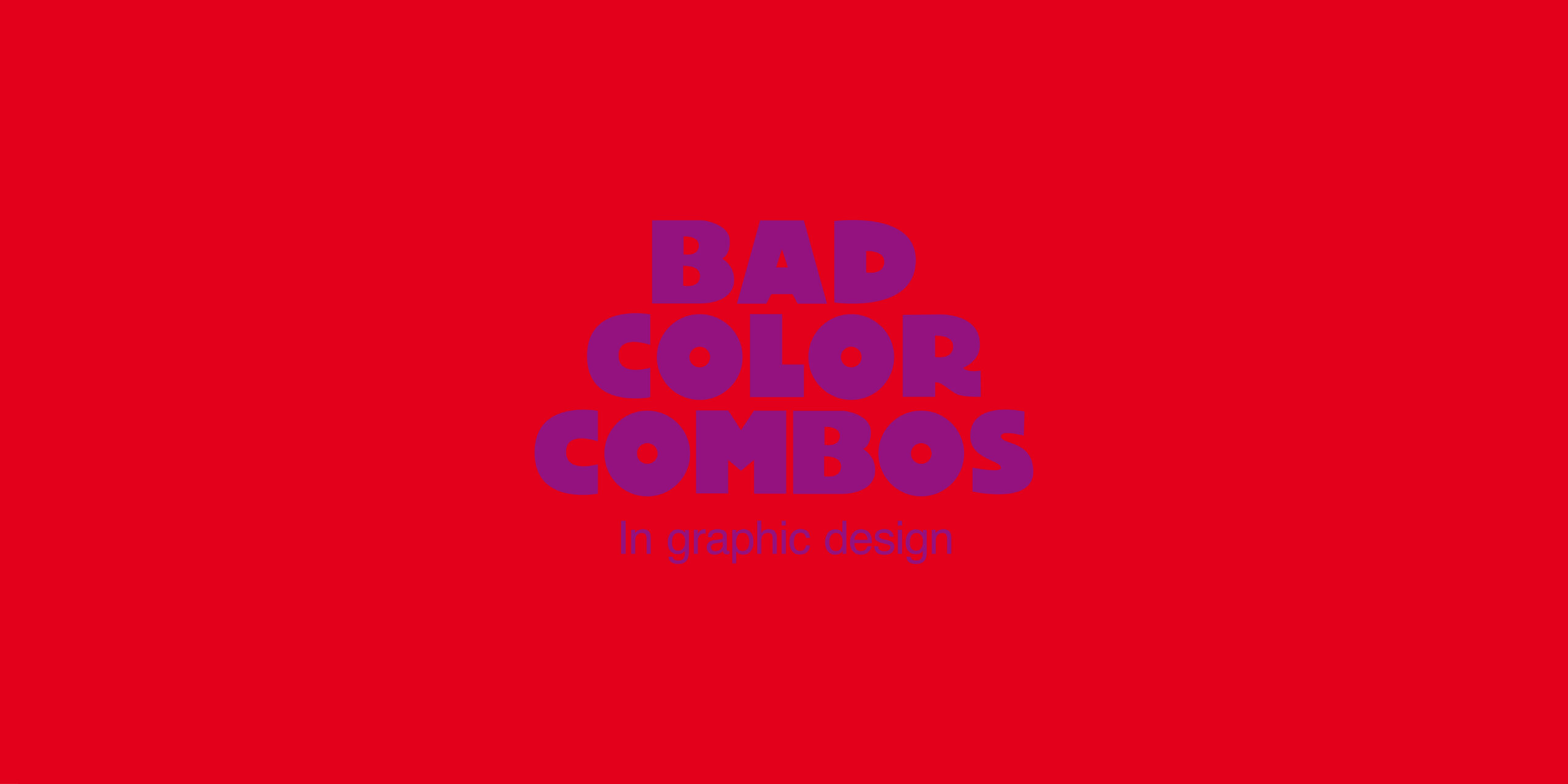
Think of red text on a black background. Or purple on red. While those combinations might look bold or trendy in theory, in practice they’re almost impossible to read. Especially for people with color vision deficiencies. A design that can’t be read, is a design that can’t communicate.

That’s the last thing any designer or client wants. You can have the perfect concept, the sharpest tagline, and the most beautiful composition, but if your color choices makes it unreadable, the message gets lost.

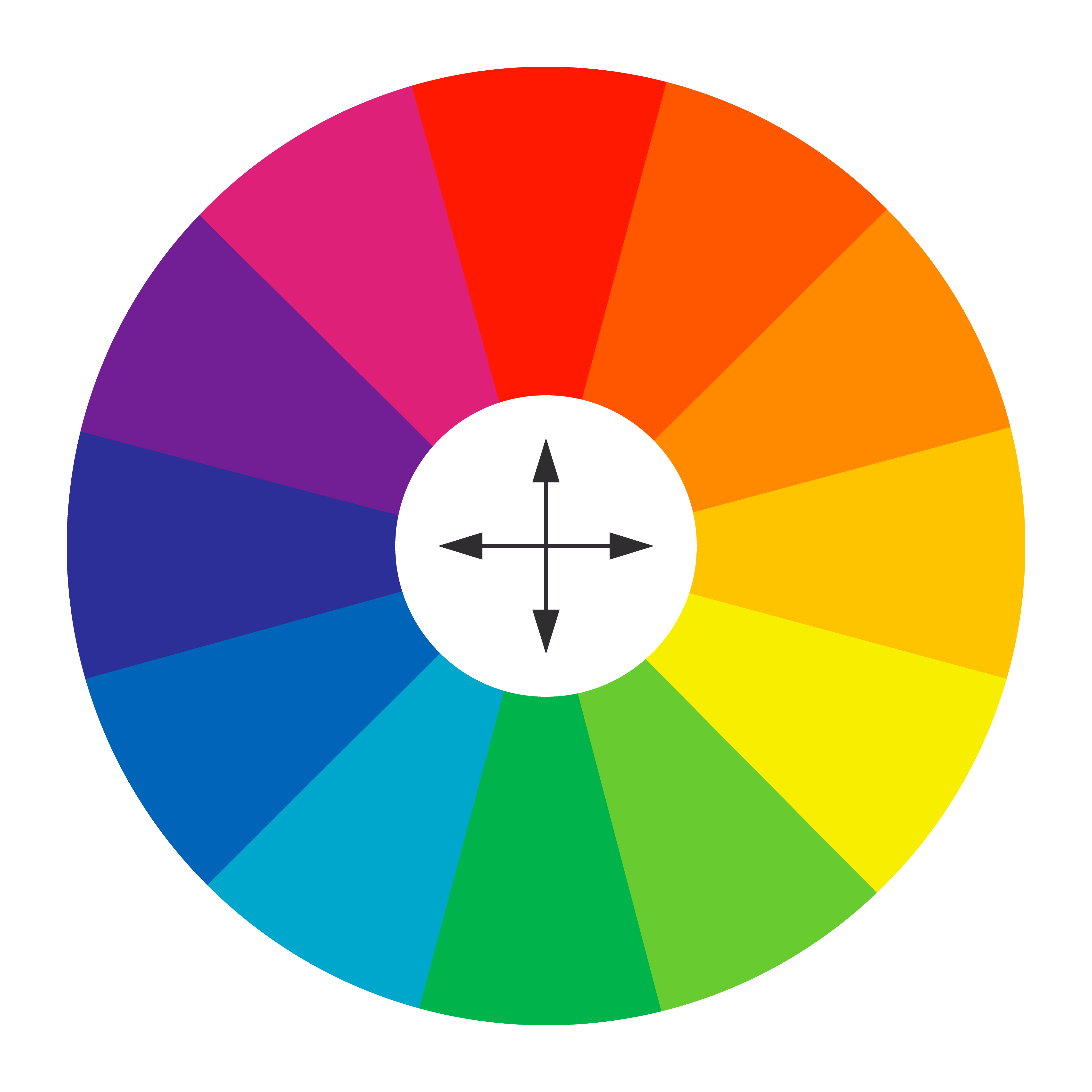
Complementary colors to the rescue! These are colors found opposite each other on the color wheel. See the image below: blue is opposite orange, red opposite green and yellow is opposite purple. When placed together, they create high contrast and visual balance; each making the other appear more vibrant.

When used thoughtfully, complementary colors can make a design almost shine like a lightbulb. They bring out the liveliness of each hue which helps the eye distinguish shapes and text more clearly. Good contrast ensures that your message is visible from every distance, in daylight or at night, on screen or on print.

But it’s not just about opposites. Sometimes, subtle contrasts (such as putting warm and cool tones next to each other or balancing bright colors with neutral shades) create a sense of calm that feels natural and professional. The most important thing however is alwaus knowing what you want the viewer to feel and see.

Of course, clients often have favorite colors or brand guidelines they don’t want to lose and that’s perfectly fine. Our job is to make those preferences work effectively. However, if we know or notice a certain combination may hurt readability or weaken contrast, we’ll let the client know and suggest better alternatives.

The goal is never restricting creativity; it’s about amplifying clarity. A design that’s visually beautiful and functionally strong will always communicate better and last longer in people’s minds.

One thing we’ve also learned over the years is that color doesn’t live in isolation. The same combination that looks stunning on a digital screen might fail in print (check our blog post about fixing colors for print), or look completely different outdoors. Light conditions, materials, and even viewing distance all affect how colors behave.

That’s why we always test our color choices in context. What happens when the design is viewed from ten meters away? Does the main message still pop? Does the background overpower the text in sunlight? By doing this, we can make a difference between a design that simply exists and one that truly connects.

Another important aspect of color design is accessibility. Millions of people see colors differently because of color blindness and could completely miss your message if contrast isn’t sufficient. Accessible design doesn’t mean dull design. It means being thoughtful. Using contrast ratios that work, ensuring text remains legible, and avoiding color combinations that blur for those with limited color perception.

Next time you pass a billboard, scroll through an ad, or glance at a poster: take a moment to notice the colors. Do they draw you in or make you look away? Do they support the message or distract from it?

Color combinations can truly make or break a design. And once you start seeing it consciously, you’ll never look at design the same way again.